

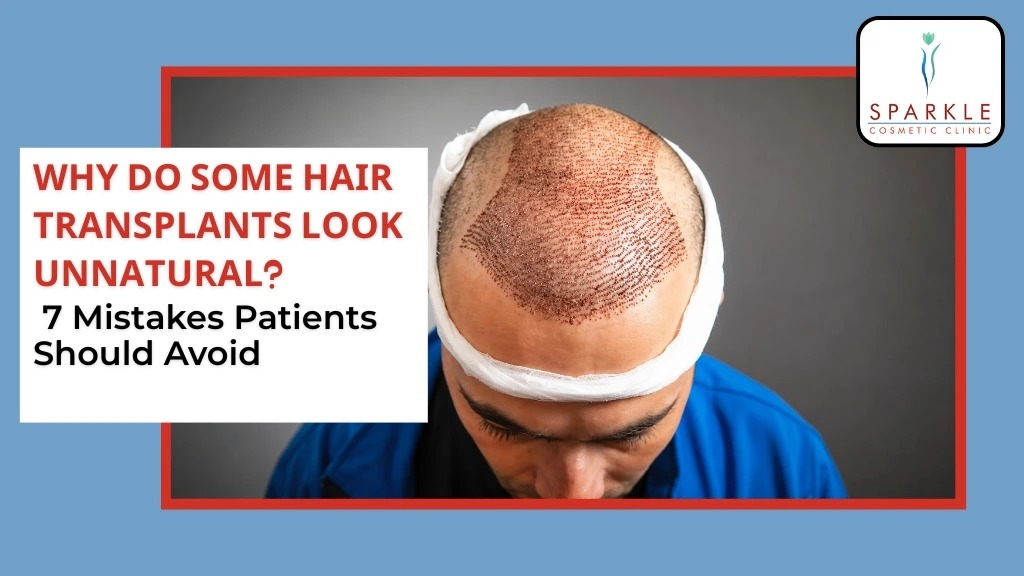
Hair transplantation has helped thousands of people regain their confidence. But if you’ve ever seen someone with an obvious or unnatural-looking hair transplant, you’ve probably wondered, “What went wrong?”
The truth is, a successful hair transplant should be almost impossible to notice. When performed correctly by an experienced surgeon, the results blend naturally with your existing hairline, density, and facial features.
Unfortunately, many patients focus only on cost or promises of quick results, leading to disappointing outcomes. If you’re considering a hair transplant clinic in Mumbai, understanding these common mistakes can help you achieve natural, long-lasting results.
Why Some Hair Transplants Don’t Look Natural
An unnatural hair transplant usually isn’t caused by the procedure itself. Instead, it’s often the result of poor planning, inexperienced surgeons, outdated techniques, or unrealistic patient expectations.
Modern hair restoration combines medical expertise with artistic design. Every hairline, angle, and graft placement should complement your unique facial structure.
Let’s look at the most common mistakes patients should avoid.
1. Choosing a Clinic Based Only on Price
One of the biggest mistakes patients make is selecting the cheapest clinic available.
While affordability matters, an extremely low price often means compromises in:
- Surgeon’s experience
- Technology used
- Hygiene standards
- Graft handling
- Post-operative care
A poorly performed transplant may require expensive corrective surgery later.
Instead of asking, “What’s the cheapest option?” ask:
- Who performs the surgery?
- How many successful procedures have they completed?
- Can I see real patient results?
2. Ignoring the Surgeon’s Experience
Hair transplantation is both a medical procedure and an artistic skill.
Even with advanced technology, the surgeon’s expertise determines:
- Hairline design
- Natural density
- Direction of hair growth
- Long-term appearance
Always verify:
- Before-and-after photographs
- Patient reviews
- Qualifications
- Consultation process
Choosing an experienced hair transplant clinic in Mumbai significantly improves your chances of achieving natural-looking results.
3. Creating an Unrealistically Low Hairline
Many younger patients request the hairline they had at age 18.
While this sounds appealing, it often creates an unnatural appearance as you continue aging.
A skilled surgeon designs a mature, age-appropriate hairline that looks natural today and remains attractive years later.
Good hairline design considers:
- Facial proportions
- Forehead size
- Hair loss pattern
- Future hair loss progression
4. Using Too Many Grafts in One Area
More grafts do not always mean better results.
An experienced surgeon distributes grafts strategically to create natural density without damaging the scalp or reducing blood supply.
Overcrowding grafts may result in:
- Poor graft survival
- Uneven growth
- Patchy appearance
- Increased scarring
Natural density comes from careful planning, not simply increasing graft numbers.
5. Not Planning for Future Hair Loss
Hair transplantation does not stop ongoing hair loss.
Many patients focus only on restoring today’s bald areas without considering future thinning.
A comprehensive treatment plan may include:
- Medical hair loss management
- PRP therapy
- Medications when appropriate
- Lifestyle recommendations
- Future transplant planning
This creates balanced, long-lasting results rather than isolated patches of transplanted hair.
6. Ignoring Post-Transplant Care
Even the best surgery can produce poor results if aftercare instructions aren’t followed.
Patients should carefully follow guidance regarding:
- Sleeping position
- Hair washing
- Physical activity
- Sun exposure
- Smoking and alcohol
- Follow-up appointments
Proper aftercare improves graft survival and supports healthy healing.
7. Expecting Instant Results
Hair transplantation requires patience.
Many patients become anxious after the initial shedding phase, thinking the procedure has failed.
In reality:
- Initial healing occurs within a few weeks.
- Transplanted hairs commonly shed during the first month.
- New growth usually begins around three to four months.
- Noticeable improvement develops over six to nine months.
- Final results typically appear after 12 to 15 months.
Understanding the normal recovery timeline helps set realistic expectations.
What Makes a Hair Transplant Look Natural?
Natural-looking results depend on multiple factors working together.
Proper Hairline Design
Every patient requires a customised hairline rather than a one-size-fits-all approach.
Correct Hair Direction
Hair grows at different angles across the scalp.
Matching these natural angles creates seamless blending.
Strategic Graft Placement
Single-hair grafts are generally placed at the front, while multiple-hair grafts provide density behind the hairline.
Preserving Donor Hair
The donor area should maintain an even appearance without visible thinning.
Advanced Techniques
Modern techniques such as FUE provide minimally invasive harvesting with less visible scarring when performed correctly.
How to Choose the Best Hair Transplant in Mira Road
If you’re searching for the best hair transplant in Mira Road, don’t rely only on advertisements.
Instead, evaluate the clinic using this checklist:
- Qualified and experienced hair transplant surgeon
- Detailed scalp analysis
- Personalised treatment plan
- Transparent discussion of expected results
- Real patient transformations
- Modern equipment and techniques
- Comprehensive aftercare support
Taking time to research your options can make a significant difference in your final outcome.
Why Patients Choose Sparkle Cosmetic Clinic
At Sparkle Cosmetic Clinic, every hair transplant begins with a detailed consultation to understand your hair loss pattern, donor area, expectations, and long-term goals.
Our approach focuses on:
- Natural hairline design
- Advanced FUE techniques
- Individualised treatment planning
- High graft survival
- Comprehensive post-procedure care
- Long-term hair restoration strategies
Whether you’re experiencing early hair thinning or advanced baldness, our team aims to deliver results that look natural and complement your appearance.
Conclusion
A successful hair transplant should restore more than hair. It should restore confidence without looking obvious.
Avoiding these seven common mistakes can dramatically improve your outcome and reduce the risk of unnatural-looking results. Choosing an experienced team, setting realistic expectations, and following proper aftercare all play an important role in achieving long-lasting success.
If you’re considering a hair transplant in Mumbai, schedule a consultation with Sparkle Cosmetic Clinic to receive a personalised assessment and treatment plan designed around your hair restoration goals.
Frequently Asked Questions
Natural results depend on the surgeon’s experience, hairline design, graft placement, and your individual hair characteristics. Choosing an experienced hair transplant clinic in Mumbai greatly improves the likelihood of achieving realistic results.
Is FUE better for natural-looking results?
FUE is a widely used technique that can produce very natural outcomes when performed by a skilled surgeon. The final appearance depends more on surgical expertise than the technique alone.
Can an unnatural hair transplant be corrected?
Yes. In many cases, corrective hair transplant procedures can improve hairline shape, density, and graft placement. However, revision surgery may require careful planning and additional donor hair.
How many grafts do I need for a natural hair transplant?
The number of grafts varies depending on your level of hair loss, donor hair availability, and treatment goals. A consultation is the best way to determine the right approach.
How long does it take to see full hair transplant results?
Most patients notice new growth after three to four months, with significant improvement by six to nine months. Full results generally become visible within 12 to 15 months.